
When it comes to regenerative medicine and aesthetic treatments, Exosomes and PRP (Platelet-Rich Plasma) have become two of the most sought-after solutions for skin rejuvenation, anti-aging, and hair restoration. Both harness the body’s natural healing processes, but they work in different ways and offer distinct benefits. Understanding the difference is key to choosing the right treatment for your goals.
What is PRP?
PRP, or Platelet-Rich Plasma, is derived from your own blood. After drawing a small sample, the blood is processed to concentrate platelets, the cells responsible for clotting and healing. Platelets contain growth factors that promote tissue repair, stimulate collagen production, and encourage cell regeneration.
PRP has been widely used for decades in dermatology, aesthetics, and even orthopedics for its natural, effective results.
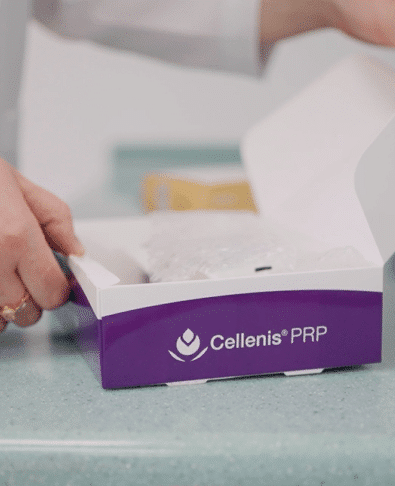
Uses of PRP include:
- Skin rejuvenation and tightening
- Reduction of fine lines and wrinkles
- Hair restoration for thinning or early hair loss
- Supporting wound healing and scar improvement
Benefits of PRP:
- Uses your own blood, so minimal risk of allergic reaction
- Natural stimulation of your body’s healing processes
- Safe, minimally invasive, and effective over multiple sessions
What are Exosomes?
Exosomes are tiny extracellular vesicles secreted by stem cells. Unlike PRP, which relies on your own platelets, exosomes act as cellular messengers, delivering proteins, growth factors, and signaling molecules directly to your skin or hair follicles. They communicate with your cells to accelerate regeneration, repair damaged tissue, and stimulate collagen and elastin production.

Uses of Exosomes include:
- Advanced skin rejuvenation
- Anti-aging treatments for sagging or dull skin
- Accelerated healing after procedures
- Hair restoration and follicle stimulation
Benefits of Exosomes:
- Can enhance cellular regeneration faster than PRP alone
- Targets deeper layers of the skin for more comprehensive repair
- Often combined with PRP or microneedling for amplified results
Exosomes vs PRP: Key Differences
| Feature | PRP | Exosomes |
|---|---|---|
| Source | Patient’s own blood | Stem cell-derived vesicles |
| Mechanism | Growth factors stimulate healing | Signals communicate directly with cells to promote regeneration |
| Depth of Action | Superficial to moderate | Deeper cellular signaling |
| Applications | Skin rejuvenation, hair restoration, scar improvement | Advanced anti-aging, faster healing, combined with other treatments |
| Treatment Frequency | Multiple sessions for best results | May require fewer sessions depending on treatment plan |
Which Treatment is Right for You? Exosomes Treatment or PRP?
The choice between PRP and exosomes therapy depends on your specific needs, goals, and medical evaluation:
- PRP is ideal if you want a natural, effective treatment using your own body’s healing system.
- Exosomes may be better if you are looking for deeper regeneration, faster results, or a treatment that can complement PRP or microneedling.
Often, combining PRP with exosomes delivers the most powerful outcomes, particularly for skin rejuvenation and hair restoration. This combination allows the platelets to provide natural healing while exosomes accelerate regeneration at the cellular level.
Why Choose a Specialist to Decide on Exosomes vs PRP
Treatments like PRP and exosomes require medical expertise for optimal results and safety. A personalized consultation ensures the right treatment plan, dosage, and delivery method. At Dr. Volha Shpadaruk’s clinic, each plan is tailored to your skin type, hair condition, and long-term aesthetic goals, ensuring effective, safe, and lasting outcomes.


